Additional information
| Type of knife | chef's knife, fish knife, professional knife, sushi knife, versatile knife, for meat |
|---|---|
| Total length (mm) | |
| Knife weight (g) | |
| Blade edge | |
| Steel type | |
| Rockwell hardness of steel | |
| Stain-resistant | |
| Handle |
* does not apply to cash on delivery shipments
1,130.00 zł brutto
In stock
| Type of knife | chef's knife, fish knife, professional knife, sushi knife, versatile knife, for meat |
|---|---|
| Total length (mm) | |
| Knife weight (g) | |
| Blade edge | |
| Steel type | |
| Rockwell hardness of steel | |
| Stain-resistant | |
| Handle |
You must be logged in to post a review.
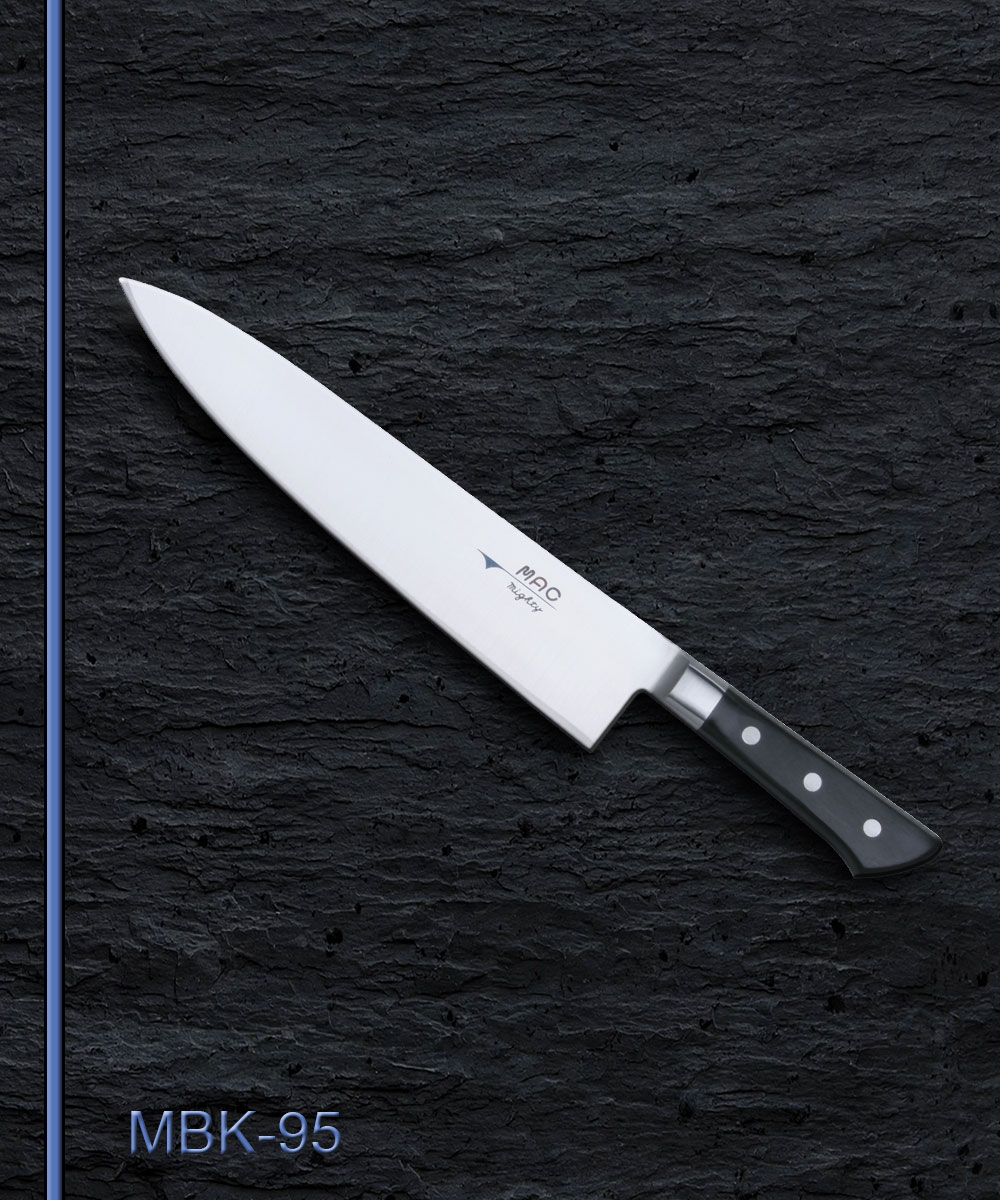
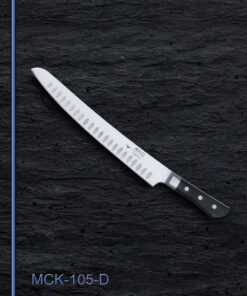
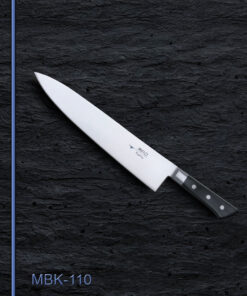
The MBK-95 from the prestigious PROFESSIONAL series is the embodiment of Japanese precision, exceptional balance and refined craftsmanship expected by the most demanding professionals. Designed for tasks that require absolute control of the blade, it is an indispensable tool for working with meat, vegetables and precision techniques such as preparing beef carpaccio or fine meat filleting.
MAC, the Japanese manufacturer, makes no compromises in material selection, which is why the MBK-95 blade is crafted from high-grade MAC Steel (AUS8) with a hardness of 59 HRC. This allows for an exceptionally thin, finely honed cutting edge that glides through ingredients with remarkable smoothness and surgical accuracy. The long, slender blade enables ultra-thin, uniform slicing of meat while preserving its structure, visual appeal and natural texture — a quality especially valued in professional and restaurant kitchens.
The perfect balance between the elongated blade and the stable handle made of durable PAKKA wood, reinforced with three rivets, ensures an incredibly fluid and intuitive cutting motion. The excellent weight distribution reduces hand strain, enhances working comfort and allows for prolonged use without fatigue, even in demanding gastronomic environments. It is a knife that naturally adapts to the chef’s hand and cutting style, elevating the overall standard of work with every movement.
The PROFESSIONAL series is synonymous with reliability, refined finishing and functional excellence, recognized by chefs around the world. High-quality kitchen tools significantly improve speed, comfort and efficiency while also enhancing the presentation and aesthetics of prepared dishes — and the MBK-95 fulfills these expectations with outstanding precision and versatility.
Thanks to its universal design, this knife is particularly recommended for kitchens where a single blade is used by multiple users with different techniques and needs. It serves as a versatile culinary instrument wherever flexibility is essential and access to a wide range of specialized knives is limited. It is a thoughtful choice for professional kitchens, restaurants and demanding home users who expect superior quality, precision and reliability in one expertly crafted tool.
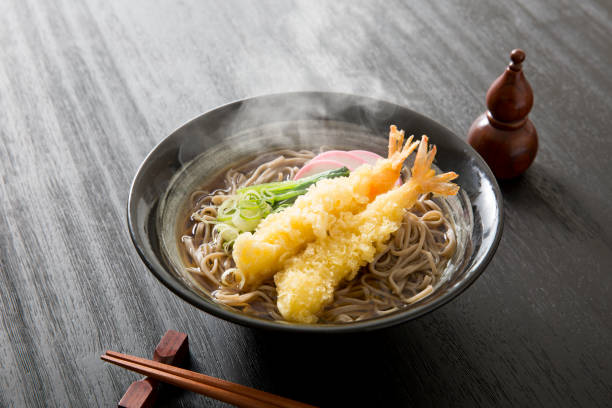
Toshikoshi Soba is a traditional Japanese dish eaten on New Year’s Eve (Ōmisoka), a custom that dates back to the Edo period. The long, thin soba noodles symbolize longevity, resilience, and a smooth transition from one year to the next, which is why eating them carries a symbolic meaning—bringing good fortune and cutting away the hardships of the past year. Originally, soba was served in temples and among craftsmen, who believed the noodles represented prosperity and endurance. Over time, Toshikoshi Soba became a widespread New Year’s ritual in Japanese households, combining simple ingredients with deep tradition and spiritual significance.
400 g soba noodles
1.2 L dashi broth
4 tbsp soy sauce
3 tbsp mirin
1 tsp sugar (optional)
2 green onions (sliced)
1 sheet nori (cut into strips)
tempura (e.g., shrimp or vegetables) – optional
kamaboko (Japanese fish cake) – optional
In a pot, heat the dashi broth, add soy sauce, mirin, and optionally sugar, then bring to a gentle simmer.
In a separate pot, bring water to a boil and cook the soba noodles according to the package instructions (usually 4–5 minutes).
Once cooked, drain the noodles and briefly rinse them with warm water to remove excess starch.
Divide the soba noodles into bowls and pour the hot broth over them.
Garnish with sliced green onions, strips of nori, and optional toppings such as tempura or kamaboko.
Serve immediately as a warm, light dish symbolizing the end of the old year and a good beginning for the new one.

In stock

In stock

In stock

In stock

In stock

In stock

In stock

In stock

In stock

In stock
Zdjęcia ilustrujące przepisy na stronach produktowych wykorzystano z serwisów: photo-ac.com, freepik.com i pixabay.com na podstawie licencji udzielanych przez owe serwisy.
Podaj swoje imię i nazwisko, numer telefonu oraz godziny w jakich możemy skontaktować się z Tobą.
Oddzwaniamy tylko pod numery telefonu z polskim numerem kierunkowym +48.
Reviews
There are no reviews yet.