Additional information
| Type of knife | |
|---|---|
| Blade length (mm) | |
| Total length (mm) | |
| Knife weight (g) | |
| Steel type | |
| Rockwell hardness of steel | |
| Stain-resistant | |
| Handle |
* does not apply to cash on delivery shipments
1,050.00 zł brutto
In stock
| Type of knife | |
|---|---|
| Blade length (mm) | |
| Total length (mm) | |
| Knife weight (g) | |
| Steel type | |
| Rockwell hardness of steel | |
| Stain-resistant | |
| Handle |
You must be logged in to post a review.
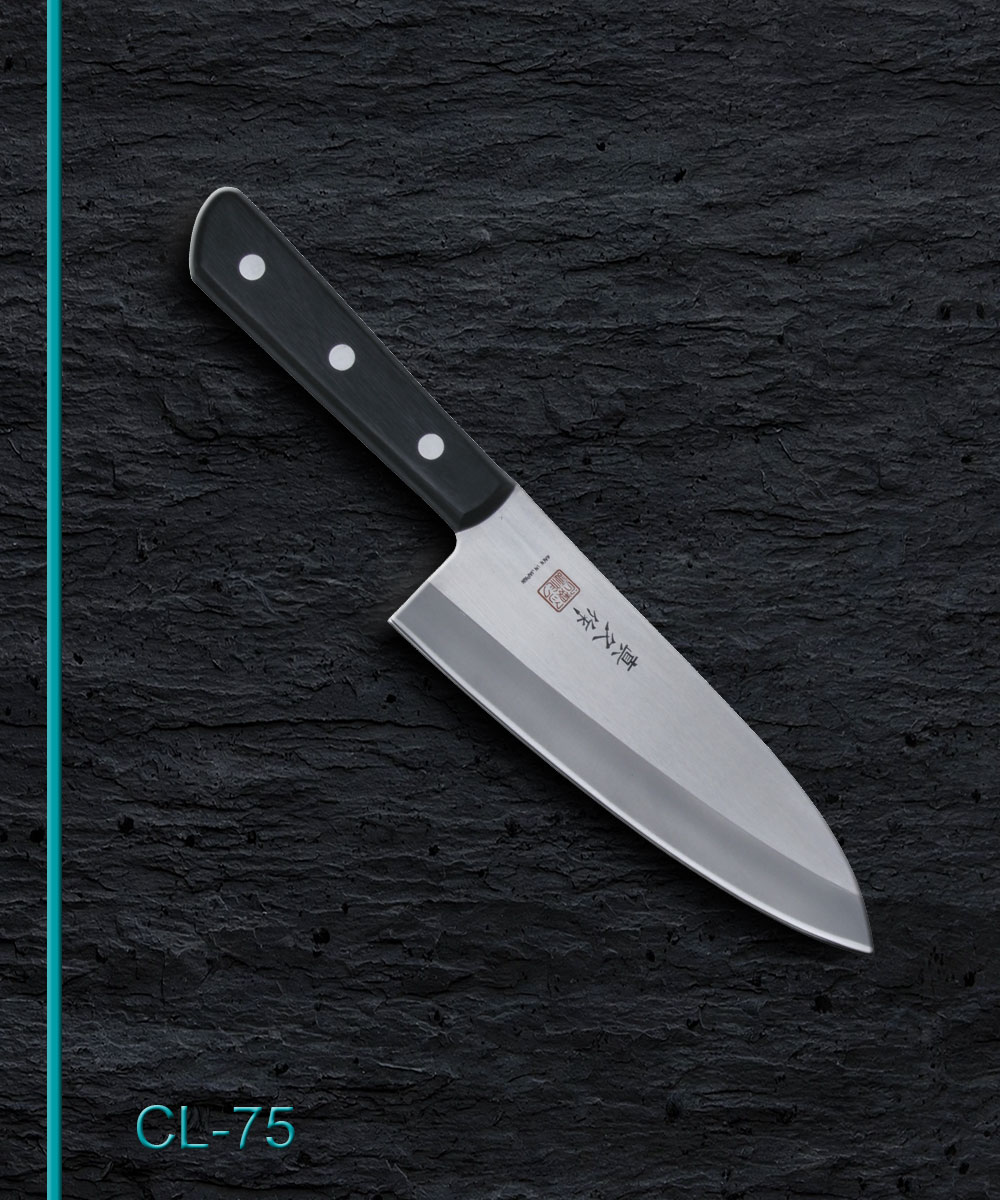
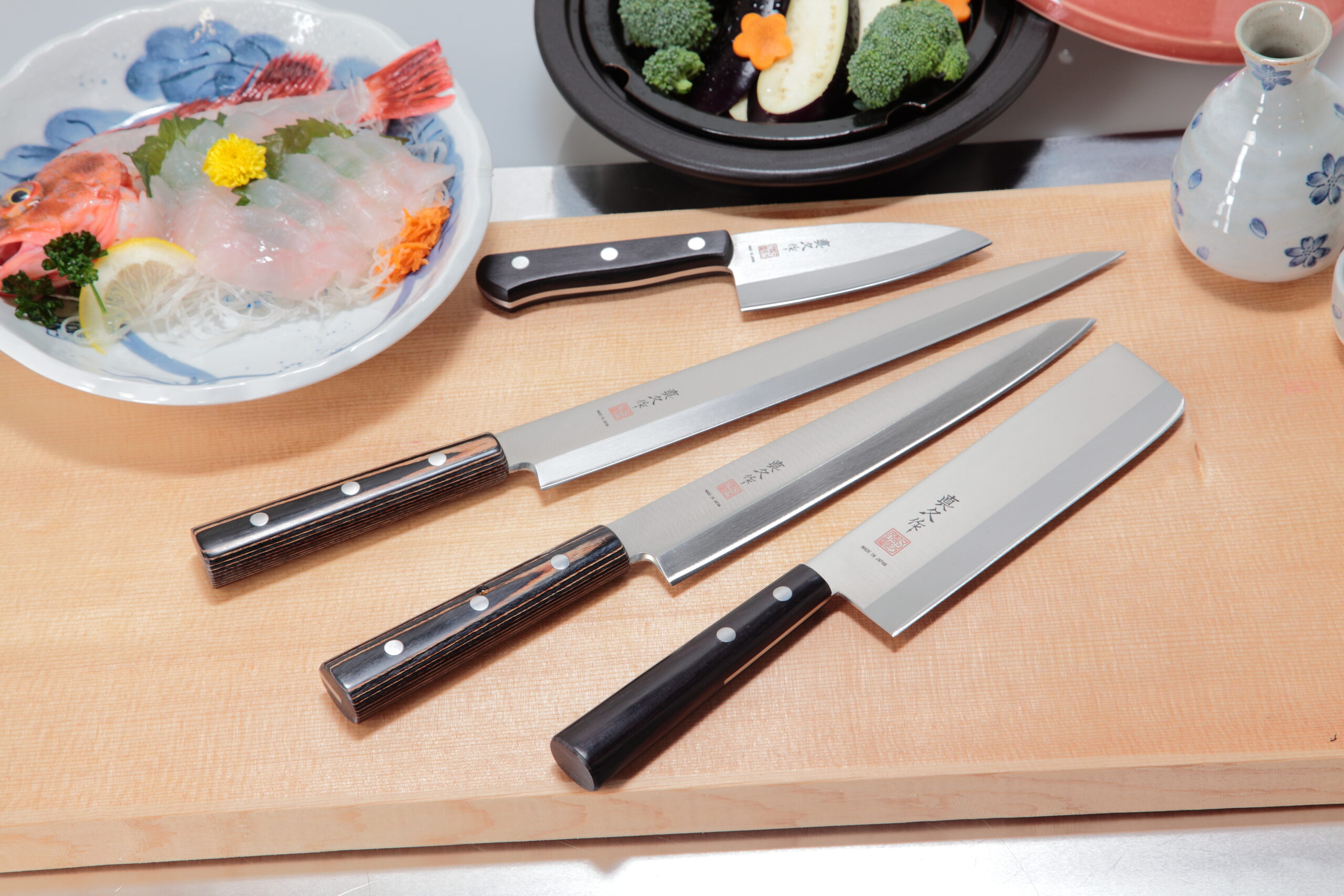
Which knife is almost ubiquitous in Japanese restaurants? Without a doubt, it is the traditional Japanese Deba knife—solid, heavy, and equipped with a wide, thick blade sharpened on one side in the kataba style. In our range, a perfect example of this type of tool is the CL-75—a professional knife designed for the complete preparation of large fish, from the very first cut to the final step.
With the CL-75, you can easily remove a fish’s head or tail, make deep, controlled cuts through tougher parts of the skeleton, and deal with smaller bones—also those found, for example, in poultry. The large blade, tapering toward the tip, has been designed in ideal proportion to the knife’s weight so that downward pressure is naturally transferred to the front of the blade. This ensures stable, precise, and safe cuts, even when working with very hard products.
The ergonomically shaped handle provides a secure, firm grip, which is essential when using a heavy knife. It is made from moisture-resistant PAKKA wood, well suited for intensive kitchen conditions. The blade is produced from steel hardened to 60 HRC on the Rockwell scale, guaranteeing excellent edge durability and outstanding performance.
The entire production process takes place in Japan and is carried out by experienced craftsmen, which is why MAC knives enjoy worldwide recognition. The CL-75 has a dignified, impressive appearance and comes packaged in an elegant box, making it also an excellent gift idea.
To maintain sharpness and performance over many years, the knife requires regular and proper sharpening. Detailed information can be found in the knife sharpening section.
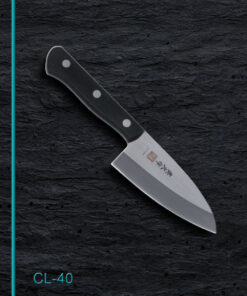
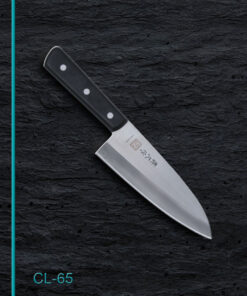
Depending on individual needs, the Deba knife in this model is also available in shorter versions CL-65 and CL-40, and it is offered in other series as well: TO, HO, and SE.
There’s no better way to start a multi-course meal than with a crispy, aromatic appetizer. Harumaki, Japanese-style spring rolls, are golden and crunchy on the outside, while soft, juicy, and full of flavor on the inside. They’re easy to make and wonderfully versatile—you can fill them with meat, seafood, vegetables, or whatever leftovers you have on hand. Perfect as a starter, a side dish, or a satisfying snack on their own.
Harumaki
10 harumaki wrappers
oil for deep-frying
a pinch of flour mixed with a little water (for sealing)
Seasoning base
2–4 dried shiitake mushrooms
5 g fresh ginger, grated
1 tbsp soy sauce
1/2 tbsp sake
1 tbsp sesame oil
a pinch of black pepper
Filling options (mix and match)
50 g leek
50 g carrot
50 g bean sprouts
50 g corn
150 g minced pork or chicken
150 g shrimp, finely chopped
Prepare the ingredients
Soak the dried shiitake mushrooms in warm water until soft, then finely chop them. Cut the vegetables into thin strips a few centimeters long.
Cook the vegetables
Heat a small amount of oil in a pan and lightly sauté the vegetables until just tender. Set aside to cool slightly.
Make the filling
In a bowl, combine the meat or shrimp with the grated ginger, soy sauce, sake, and pepper. Add the shiitake, vegetables, and sesame oil. Mix well and divide the mixture into 10 equal portions.
Roll the harumaki
Place one wrapper on a flat surface in a diamond shape. Spoon a portion of filling near the bottom corner. Roll halfway, fold in the sides like an envelope, then continue rolling. Seal the edge with the flour-and-water paste.
Fry
Heat oil to about 170°C / 340°F (rapeseed, sunflower, or peanut oil works well). Fry the rolls in batches for 3–4 minutes, until golden brown and crispy. Drain on paper towels.
Serve hot with soy sauce mixed with Japanese karashi mustard. For a fusion twist, sweet chili sauce also pairs beautifully.
The oil temperature is crucial—too cool and the rolls will absorb excess oil.
Do not overcrowd the pot, as this lowers the oil temperature.
Harumaki can also be pan-fried with a small amount of oil, turning until golden on all sides.
Crispy, fragrant, and endlessly customizable—harumaki are always a crowd-pleaser.

In stock

In stock

In stock

In stock

In stock

In stock

In stock

In stock

In stock

In stock
Zdjęcia ilustrujące przepisy na stronach produktowych wykorzystano z serwisów: photo-ac.com, freepik.com i pixabay.com na podstawie licencji udzielanych przez owe serwisy.
Reviews
There are no reviews yet.