Skip to content
Japanese craftsmanship for the kitchen of tomorrow
Reliable Japanese quality
Enjoy cooking!
Feel the sharpness!
It's time, get started
znaki mac222

FREE DELIVERY from 350 PLN

* does not apply to cash on delivery shipments

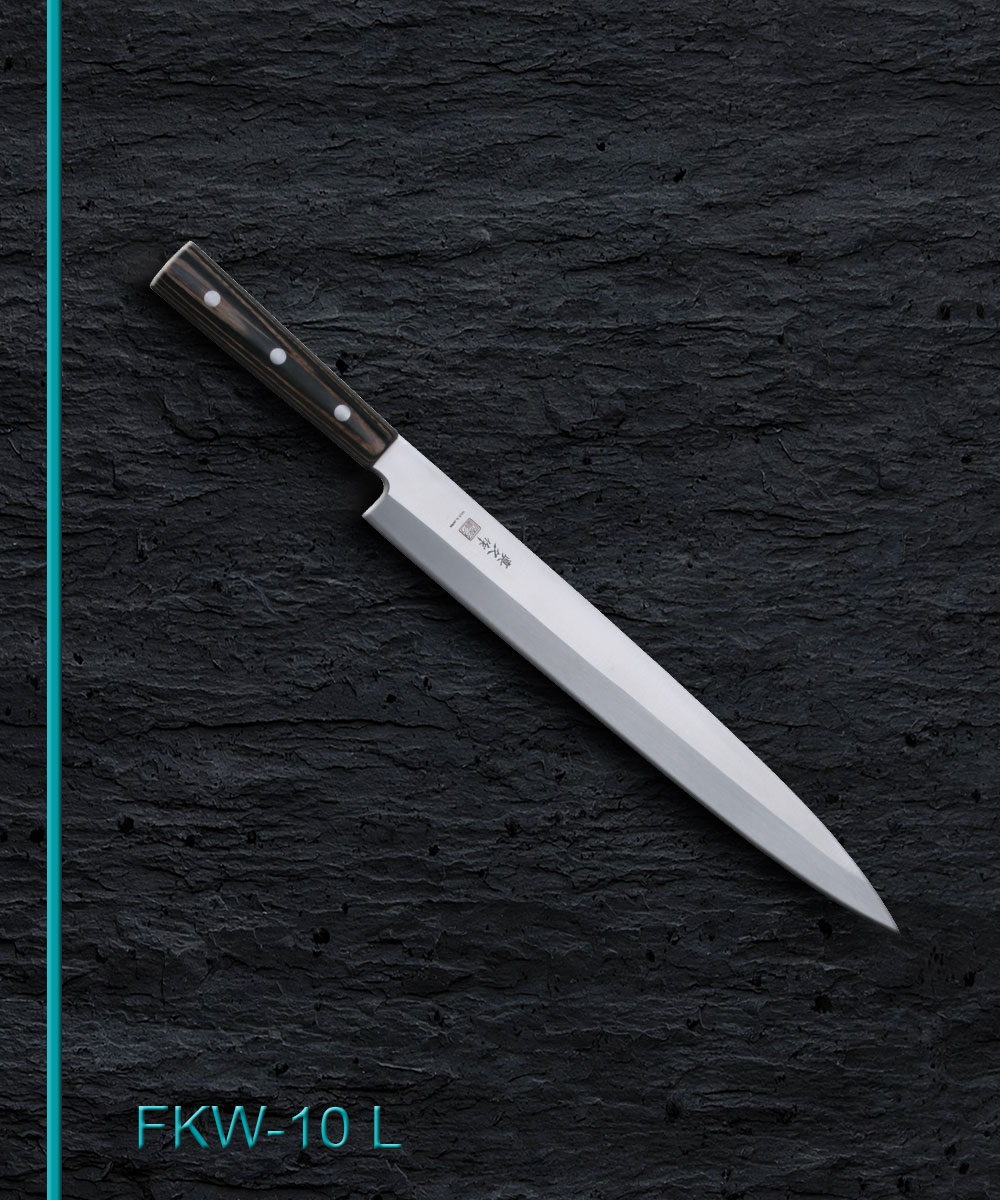
FKW-10L

1,130.00  brutto

In stock

Additional information

Type of knife

, , , , , , ,

Total length (mm)

Knife weight (g)

Steel type

Rockwell hardness of steel

Stain-resistant

Handle

Reviews

There are no reviews yet.

Be the first to review “FKW-10L”

FKW-10 L

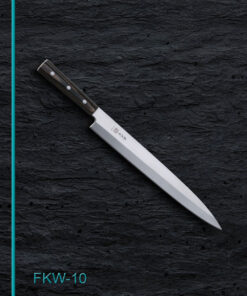
FKW-10L – Yanagiba designed for left-handed users

The FKW-10L is a perfect choice for left-handed chefs. The traditional single-bevel kataba edge is positioned on the left side of the blade, ensuring natural knife guidance, full control, and exceptional comfort for left-handed use.

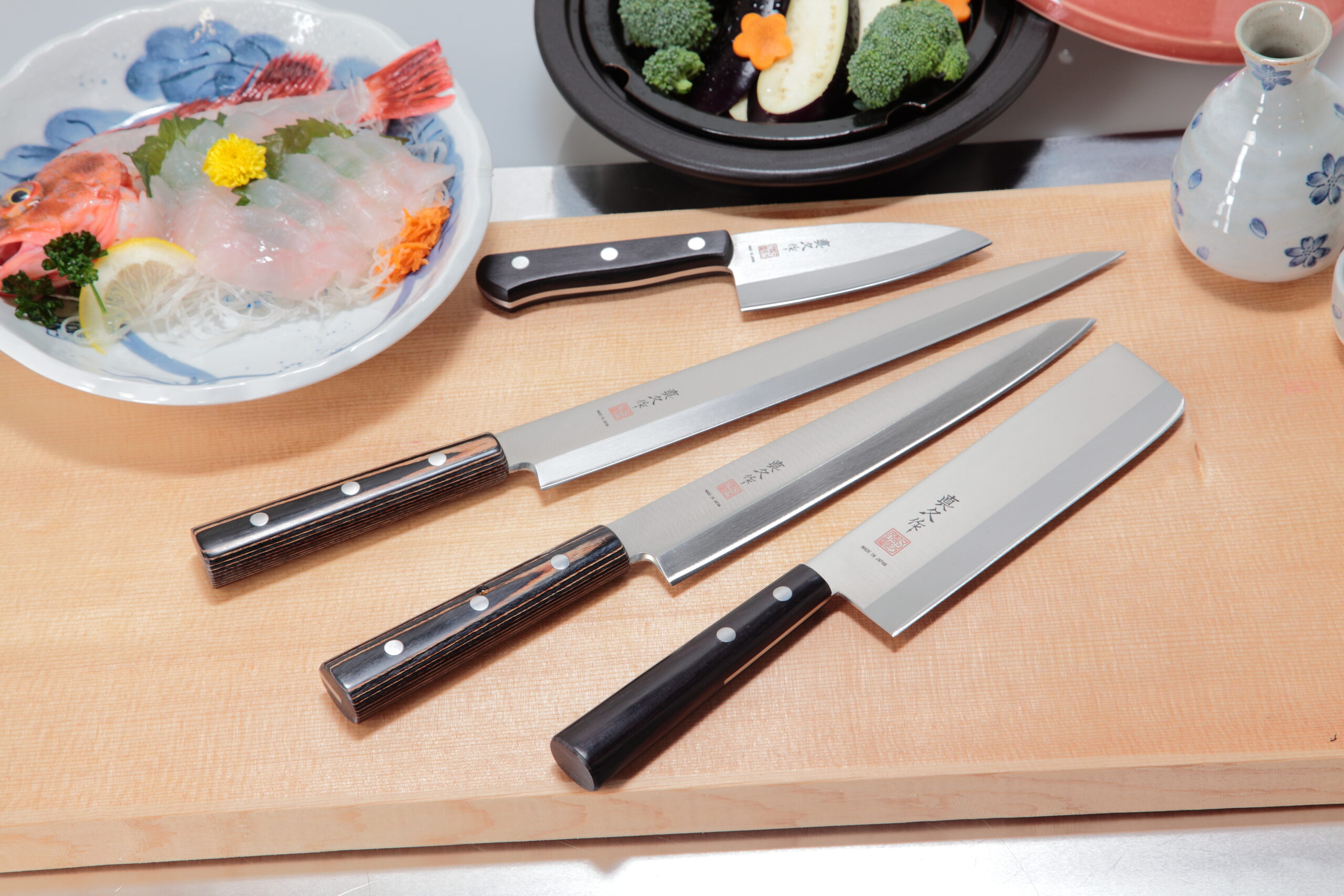
The FKW-10L from the JAPANESE series is a classic Japanese Yanagiba—one of the cornerstones of Japanese cuisine. Its long, narrow, extremely sharp blade is designed specifically for preparing sashimi and sushi, as well as for filleting and skinning fish. The finely shaped tip and single bevel allow the knife to be drawn through the fillet in one long, smooth motion, producing perfectly smooth, glossy slices of fish.

This cutting style minimizes damage to the fish’s cellular structure, preserving its natural flavor, texture, and visual appeal—essential qualities when working with raw fish. One of the most commonly used techniques is HIRA-ZUKURI, which involves cutting sashimi into rectangular slices approximately 1 cm thick. This technique works especially well with salmon, tuna, and butterfish, offering both an impressive presentation and a satisfying bite. Other sashimi cutting techniques can be explored with the shorter versions of this knife: FKW-9L and FKW-7L.

The FKW-10L is highly regarded by sushi masters and professional chefs who demand the highest level of precision and consistency. At the same time, it is an excellent choice for ambitious home cooks—high-quality tools significantly ease the learning process and quickly translate into visible, motivating results on the plate.

To ensure long-lasting performance, a few simple care rules should be followed: always use the knife on suitable cutting boards, wash it by hand only in warm water with mild detergent, and dry it thoroughly after use. Regular sharpening is essential to maintain optimal sharpness—detailed instructions can be found in the knife sharpening section.

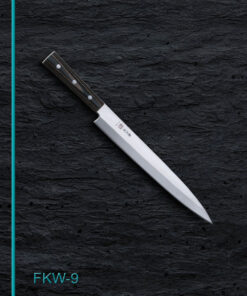
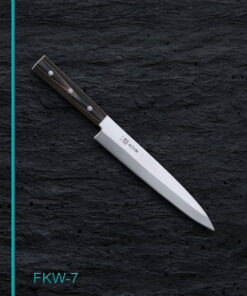
The FKW-10L is also available in right-handed versions in three lengths: FKW-10, FKW-9, and FKW-7.

Recommended recipe

Shokado Bento – an elegant Japanese lunchbox

Shokado Bento is a refined style of Japanese meal served in a decorative, compartmentalized bento box. It consists of several carefully selected dishes that delight not only with their flavors but also with their presentation. Originally served during traditional tea ceremonies, shokado is now found in some of Japan’s finest restaurants. This recipe will show you how to create your own premium bento that impresses both visually and culinarily.

Shokado Bento Components

  • Tamagoyaki (Japanese omelet)

  • Vegetables in tempura

  • Marinated eggplant

  • Light pasta salad

  • Purée of Japanese kuri chestnuts

Tamagoyaki

Tamagoyaki is a bento classic—a delicate, lightly sweet omelet rolled in layers. It is made by cooking thin layers of egg and rolling them into a compact log. It tastes great on its own, as a sushi accompaniment, or as part of a bento. Use a basic tamagoyaki recipe to achieve an even, attractive shape.

Vegetables in Tempura

Tempura is one of the most recognizable dishes in Japanese cuisine. Vegetables dipped in a light, crispy batter and quickly deep-fried remain tender and absorb very little oil. Sweet potatoes, carrots, eggplant, zucchini, and bell peppers all work beautifully.

Marinated Eggplant

Eggplant is a very popular vegetable for pickling in Japan—its natural depth of flavor pairs perfectly with a sweet-and-sour marinade.

Preparation:
Slice the eggplant and mix in a bowl with:

  • 3 tablespoons rice vinegar

  • 1 tablespoon soy sauce

  • 2 tablespoons white sugar

Set aside for at least 30 minutes before adding to the bento.

Pasta Salad

A light, fresh pasta salad perfectly balances the fried elements of the bento.

Preparation:
Cook 100 g dried spaghetti.
In a bowl, mix:

  • 1 tablespoon sesame oil

  • 1/2 tablespoon soy sauce

  • 1/2 tablespoon lemon juice

  • a pinch of shiso furikake

Rinse the cooked pasta under cold water, drain well, and toss with the dressing.

Sweet Kuri Chestnuts

Japanese kuri chestnuts are a symbol of autumn and are often used in desserts. Their gently sweet, nutty flavor provides a perfect finish to the meal.

To complete the bento, add kuri chestnut purée as a traditional Japanese dessert.

Final Tip:
The secret of Shokado Bento lies in balance—variety of flavors, textures, and colors. Arrange each element carefully in its own compartment, paying attention to aesthetics—beautiful presentation makes the meal taste even better.

You may also like…

Zdjęcia ilustrujące przepisy na stronach produktowych wykorzystano z serwisów: photo-ac.com, freepik.com i pixabay.com na podstawie licencji udzielanych przez owe serwisy.

Jeśli potrzebujesz pomocy przy wyborze noży, pomożemy Ci

Podaj swoje imię i nazwisko, numer telefonu oraz godziny w jakich możemy skontaktować się z Tobą.

Oddzwaniamy tylko pod numery telefonu z polskim numerem kierunkowym +48.