5 Key Features of a Good Kitchen Knife – What to Look for When Buying
Choosing a good kitchen knife is a crucial decision for both professional chefs and home cooking enthusiasts. A knife is the most important tool in the kitchen, so it’s worth paying attention to a few essential features that affect comfort, precision, and durability. Here are the five key features of a quality kitchen knife that will help you make the right choice.
1. Blade Material – Stainless Steel, High-Carbon, or Ceramic?
The material of the blade determines its durability, sharpness, and resistance to corrosion.
-
Stainless steel – popular and easy to maintain, resistant to rust but requires regular sharpening.
-
High-carbon steel – extremely sharp and durable but more prone to corrosion, requiring proper care.
-
Ceramic knives – lightweight and razor-sharp, though brittle and less impact-resistant.
-
Damascus steel – the term refers to modern recreations of ancient layered steel forging methods. While true historical Damascus steel no longer exists, contemporary “Damascus” knives feature multiple layers of forged steel, creating a distinctive wavy pattern and excellent cutting performance.
2. Knife Ergonomics – How to Fit It to Your Hand
The handle should be comfortable, well-balanced, and provide a secure grip. Good ergonomics enhance safety and reduce hand fatigue during prolonged use.
-
Wooden handles – natural and pleasant to hold but require careful maintenance.
-
Synthetic handles – moisture-resistant and easy to clean, though sometimes less comfortable.
-
Metal handles – sleek and durable, but can be slippery when wet.
A well-chosen knife should fit your hand comfortably without causing strain or discomfort, even after long periods of use.
3. Balance – Why It Matters
Balance refers to the even distribution of weight between the blade and handle. A well-balanced knife allows better control and reduces wrist strain.
-
Heavier blades – best for cutting tougher ingredients like meat or squash.
-
Balanced handles – ideal for precise chopping of herbs and vegetables.
Cheap knives often lack balance, making them harder to control and tiring to use.
How to test balance before buying:
-
Finger test – place the knife horizontally on your index finger at the junction of the handle and blade. If it balances evenly, it’s well-designed.
-
Grip test – simulate cutting motions; if the knife feels off-balance, it may cause fatigue.
-
Compare models – try knives of similar length to notice balance differences.
4. Sharpness and Edge Retention – The Difference Between Cheap and Professional Knives
A good knife should retain sharpness for a long time. The durability of an edge depends on both the steel quality and sharpening angle.
-
European knives – sharpened at about 20°, offering durability.
-
Japanese knives – like Santoku or Gyuto, are sharpened at 12–15°, delivering superior precision.
-
Professional knives – are heat-treated (hardened), increasing edge longevity.
5. Ease of Sharpening – Which Sharpeners Are Best?
Even the best knives need regular sharpening. The right tools maintain cutting performance and extend lifespan.
-
Whetstones (water stones) – the best method for professionals, offering precision and control.
-
Honing rods (steels) – maintain the edge between full sharpenings.
-
Manual or electric sharpeners – quick and convenient, though less precise than stones.
Regular sharpening keeps your knife safe, sharp, and efficient.
Summary
A quality kitchen knife is a long-term investment. Before buying, consider these five aspects:
-
Blade material – stainless, high-carbon, or ceramic?
-
Ergonomics – does it fit your hand comfortably?
-
Balance – is the weight evenly distributed?
-
Sharpness – how long does it stay sharp?
-
Sharpening – what tools will you use?
Recommended Knives: MAC
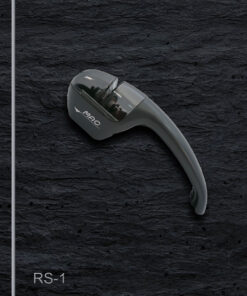
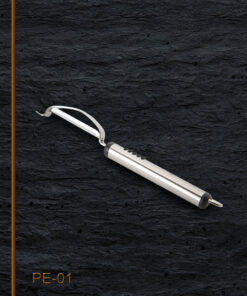
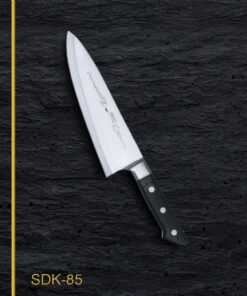
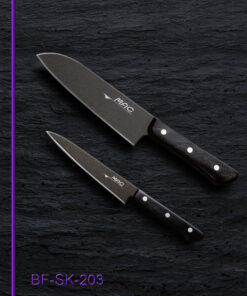
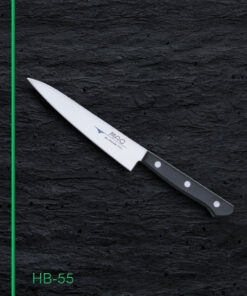
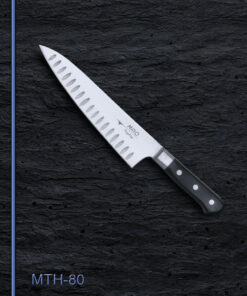
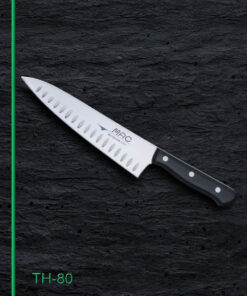
If you’re looking for knives that meet all these criteria, MAC knives are an excellent choice. They combine high-grade steel, superior ergonomics, and lasting sharpness. Trusted by professional chefs, MAC knives deliver cutting precision and comfort — perfect for both home and professional kitchens.
We recommend