Skip to content
Japanese craftsmanship for the kitchen of tomorrow
Reliable Japanese quality
Enjoy cooking!
Feel the sharpness!
It's time, get started
znaki mac222

FREE DELIVERY from 350 PLN

* does not apply to cash on delivery shipments

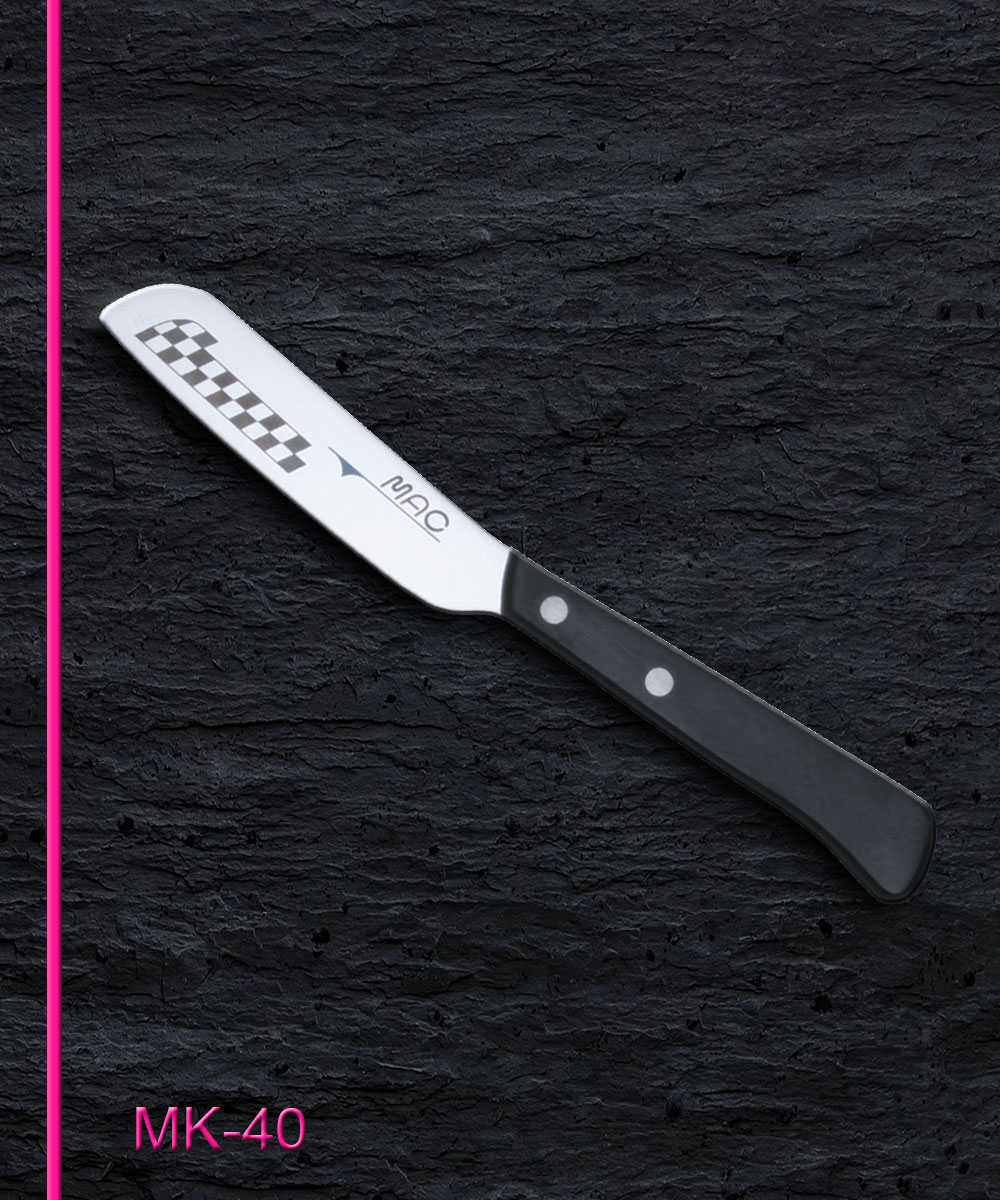
MK-40

150.00  brutto

In stock

Additional information

Type of knife

Total length (mm)

Knife weight (g)

Blade edge

Steel type

Rockwell hardness of steel

Stain-resistant

Handle

Reviews

There are no reviews yet.

Be the first to review “MK-40”

MK-40

Undoubtedly, one of the qualities most valued by chefs in MAC Japanese kitchen knives is their exceptional sharpness and precision. The ORIGINAL series knives are made from carefully refined steel that allows the creation of light, thin blades which are both durable and easy to sharpen. Each specific knife model performs best when used for its intended purpose. Using the right knife for the right task helps maintain sharpness longer, shortens meal preparation time, and ensures dishes look visually appealing on the plate. It’s also safer — both for the user and for the blade itself.

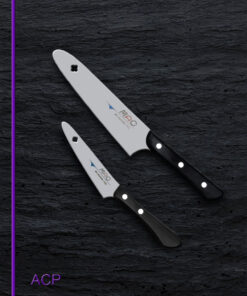
The MK-40 kitchen knife is designed specifically for cutting cheese. Working with it quickly proves how important it is to use the proper knife for each job. With this blade, slicing a product as challenging as cheese becomes effortless and precise, helping maintain the aesthetic quality of each slice. Another advantage is its finely balanced design and proportions. The ergonomic handle, made of highly durable PAKKA wood, fits comfortably in both small and large hands, making it easy, efficient, and pleasant to use.

Eastern and Western cuisines are full of wonderful flavors and recipes. Interestingly, although cheese is not traditionally a common ingredient in Japanese cooking, in recent years it has gained popularity alongside Western cuisine — its consumption and production continue to grow. This shows how Eastern and Western culinary cultures continue to inspire one another.

Our collection also includes kitchen accessories, such as ultra-thin cutting boards that are easy to store and clean. They take up little space and are dishwasher-safe — particularly useful after cutting fatty cheeses. The material they are made from has been specially selected to help preserve the sharpness of your knife blades for longer.

Learn step by step how to properly sharpen your MAC Japanese kitchen knife — our sharpening guide explains everything you need to know.

Recommended recipe

Hijiki and Carrot Inari Sushi – Tradition with a Modern Touch

Hijiki and carrot are one of those combinations that seem simple yet carry deep symbolism in Japanese cuisine. Hijiki is a brown seaweed that grows along Japan’s coastline and has been used in home and temple cooking for centuries. It’s considered a source of longevity and strength — in ancient times, people believed that eating hijiki regularly promoted healthy hair and inner calm. Combined with the gentle sweetness of carrot and the aroma of seasoned sushi rice, this dish perfectly reflects the Japanese culinary philosophy of balance, harmony, and simplicity.

Inari sushi itself has a fascinating history. Its name comes from the Shinto deity Inari — the god of rice, fertility, and prosperity. According to legend, foxes (Inari’s messengers) loved sweet-salty fried tofu, so offerings were made to them in the form of these tofu pouches — inari-zushi. Today, it’s one of Japan’s most popular picnic and festive dishes — colorful, humble, and meaningful.

In this version, the classic inari sushi is enriched with simmered carrot and hijiki, adding a subtle ocean flavor and a deeper umami profile. It’s perfect as a light lunch or as part of a larger Japanese-style meal.

Ingredients:
• 4 fried inari tofu pouches
• sushi ginger
• 600 g cooked sushi rice
• 10 g dried hijiki seaweed
• ½ finely chopped carrot
• 120 ml dashi stock
• 2 tbsp soy sauce
• 2 tbsp sake
• 2 tbsp sugar
• 1 tbsp mirin
• a pinch of sesame seeds

Preparation:

  1. Soak the hijiki seaweed in cold water for about 30 minutes to rehydrate. Meanwhile, prepare the sushi rice and cut the carrot into thin matchsticks.

  2. In a pan, combine the dashi stock, carrot, hijiki, soy sauce, sake, sugar, and mirin. Cover and simmer over low heat until the liquid is absorbed and the vegetables are tender. Let cool.

  3. Mix the cooked vegetables with the sushi rice and season with a pinch of sesame seeds.

  4. Gently fill the inari tofu pouches with the rice mixture, being careful not to tear them. Serve with sushi ginger.

Fun Fact:
In Japan, inari sushi is often made for festivals, picnics, and family gatherings. In the Kansai region (including Osaka and Kyoto), the tofu is fried longer, giving it a darker color and richer flavor, while in the Kanto region (Tokyo area), it’s lighter and milder. Every region has its own version — but one thing remains true: inari sushi is a flavor that brings generations together.

You may also like…

Zdjęcia ilustrujące przepisy na stronach produktowych wykorzystano z serwisów: photo-ac.com, freepik.com i pixabay.com na podstawie licencji udzielanych przez owe serwisy.

Jeśli potrzebujesz pomocy przy wyborze noży, pomożemy Ci

Podaj swoje imię i nazwisko, numer telefonu oraz godziny w jakich możemy skontaktować się z Tobą.

Oddzwaniamy tylko pod numery telefonu z polskim numerem kierunkowym +48.