


Mukimono – The Art of Fruit and Vegetable Carving That Will Impress Your Guests
Japanese cuisine has long combined taste, aesthetics, and precision. One of its most striking elements is Mukimono – the art of decorative fruit and vegetable carving. Originating in Japan, it has also gained popularity across Asia, particularly in China and Thailand, where similar carving traditions are deeply rooted. Today, Mukimono inspires chefs around the world, especially in Europe and the U.S., where it adds an artistic flair to fine dining and modern fusion cuisine.
What Is Mukimono?
Mukimono is the Japanese art of carving fruits and vegetables, practiced both in home kitchens and top restaurants. It dates back to the Edo period, when chefs began decorating food to enhance its visual appeal. The technique requires precision, creativity, and specialized knives designed for intricate cuts.
Traditional Japanese Decoration Techniques
Common Mukimono methods include:
-
Thin slicing – for creating flowers from carrots, radishes, or cucumbers.
-
Intricate carving – crafting maple leaves, fans, or wave patterns on fruits and vegetables.
-
Spiral cutting – producing elegant, flowing decorations.
-
Sashimi garnishing – arranging vegetables artistically alongside fish.
These decorations not only beautify a dish but also elevate the overall dining experience.
How to Practice Mukimono
To begin, start with simple designs and gradually progress to complex ones. Try carving flowers from carrots or radishes, cucumber spirals, or apple fans. As you gain confidence, move to detailed motifs like maple leaves or plant-inspired patterns.
Steps to get started:
-
Choose the right produce – carrots, radishes, cucumbers, apples, and mangoes work best.
-
Use proper tools – specialized knives such as Mukimono, Usuba, or Nakiri ensure precision.
-
Master the basics – practice smooth, controlled movements.
-
Balance beauty with function – decorations should enhance, not hinder, the dining experience.
Essential Knives for Mukimono
The right tools are essential. Among the most commonly used are:
-
Mukimono knife – designed for intricate details, often made of high-carbon steels like Aogami or Shirogami.
-
Usuba – for ultra-thin, even slices, favored by professional chefs.
-
Nakiri – for rapid vegetable preparation and shaping.
High-quality knives from makers like Masamoto, Shun, or Sakai Takayuki are prized for their balance, sharpness, and craftsmanship.
Mukimono in Japanese Culinary Tradition
Mukimono has deep symbolic meaning. In Japan, beautiful food presentation expresses respect for guests and appreciation for nature’s harmony. In kaiseki cuisine – Japan’s refined multi-course dining – Mukimono plays a vital role in creating seasonal and balanced compositions. Precision carving reflects the Japanese philosophy of minimalism: every cut matters.
Conclusion
Mukimono transforms simple ingredients into works of art. Legendary restaurants like Kitcho in Kyoto elevate this craft to perfection, while chefs such as Masaharu Morimoto blend traditional Japanese artistry with modern presentation. With practice and the right tools, anyone can learn this elegant art form and impress family or guests with stunning edible creations. Start small, stay patient, and watch your kitchen turn into an atelier of culinary beauty.
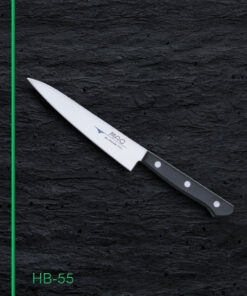
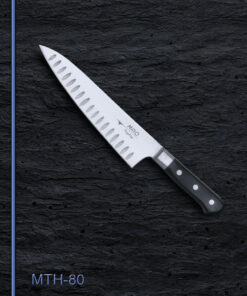
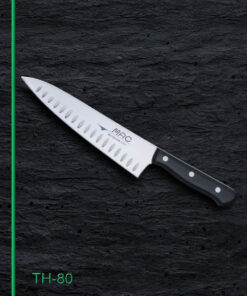
We recommend


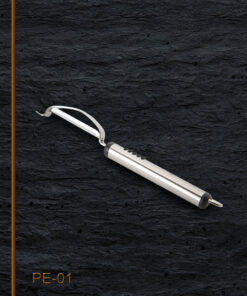
Other customers especially appreciate:
-
 SR-95BK
Rated 5.00 out of 5159.00 zł brutto
SR-95BK
Rated 5.00 out of 5159.00 zł brutto -
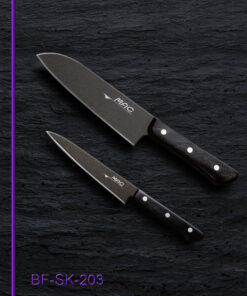 BF-SK-203
Rated 5.00 out of 5
BF-SK-203
Rated 5.00 out of 5700.00 złOriginal price was: 700.00 zł.449.00 złCurrent price is: 449.00 zł. bruttoPrevious lowest price was 595.00 zł.
-
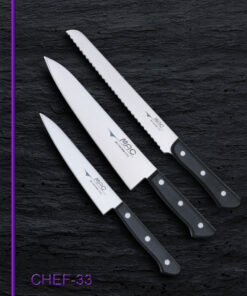 CHEF-33
Rated 5.00 out of 5
CHEF-33
Rated 5.00 out of 5980.00 złOriginal price was: 980.00 zł.829.00 złCurrent price is: 829.00 zł. bruttoPrevious lowest price was 833.00 zł.
