Japanese Flavors in a Modern Twist – Creative Ways to Elevate Your Home Cooking
Japanese Flavors in a Modern Edition – Creative Ways to Elevate Everyday Dishes
Japanese cuisine has long captivated food lovers with its harmony of flavors, skillful ingredient pairing, and attention to visual presentation. Its influence can be found worldwide — from modern sushi interpretations in fusion restaurants to the widespread use of umami in Western cooking. Traditional Japanese culinary techniques inspire chefs around the globe, creating unique combinations of taste and texture. These techniques can also inspire home cooks to bring new flavors and preparation methods into their own kitchens. By incorporating Japanese seasonings, ingredients, and cooking styles, you can create contemporary dishes full of umami that delight both fans of classic flavors and culinary creativity.
The Secret of Umami – The Foundation of Japanese Flavor in Modern Cooking
Japanese cuisine is renowned for umami — the “fifth taste” that adds depth and richness to dishes. To introduce umami into your daily cooking, try using ingredients such as miso, kombu, bonito flakes, or shoyu (Japanese soy sauce). These can be used to make homemade dashi, a flavorful broth that enhances soups, sauces, and marinades.
A modern twist on umami is adding miso paste to vegetable soups or salad dressings. For instance, a salad with roasted sweet potato, kale, and toasted sesame gains remarkable complexity when paired with a miso-based dressing — blending sweet-salty notes with mild umami and gentle acidity. Likewise, kombu and bonito can elevate the flavor of traditional sauces like béchamel or vegetable broth, lending them extra depth.
Modern Fusion – When East Meets West
Combining Japanese ingredients and methods with Western cuisine opens endless creative possibilities. Try these ideas:
-
Miso carbonara – substitute white miso for pecorino to enhance the umami.
-
Matcha tiramisu – infuse the Italian classic with matcha for a touch of bitterness and freshness.
-
Tempeh burger with yuzu mayo – marinate tempeh in soy sauce and ginger, and serve with a yuzu-infused mayonnaise for a vibrant citrus note.
-
Fusion ramen – add coconut milk, roasted pumpkin, or grilled shrimp for a new twist on the classic.
Japanese Spices – How to Use Them Every Day
Japanese seasonings can enrich many everyday dishes:
-
Shichimi togarashi – a seven-spice chili mix perfect for soups, meats, and noodles.
-
Yuzu kosho – a citrus-chili paste that pairs beautifully with grilled vegetables and seafood.
-
Goma (toasted sesame) – adds aroma and crunch to rice, salads, and roasted vegetables.
Japanese Techniques in Modern Kitchens
Japanese cooking emphasizes precision and respect for ingredients. Examples include sashimi, where thin slices of raw fish must be cut cleanly and evenly to preserve texture and flavor. Here are some techniques worth trying:
-
Tataki – lightly seared meat or fish marinated in soy sauce and ginger.
-
Konro grilling – grilling over binchotan charcoal for a unique smoky aroma.
-
Sous-vide with Japanese flavors – long, low-temperature cooking enhanced with miso or mirin for a deep, subtle taste.
Japanese Knives – Precision at Its Finest
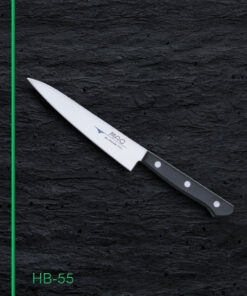
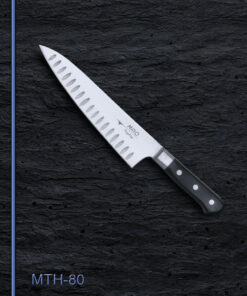
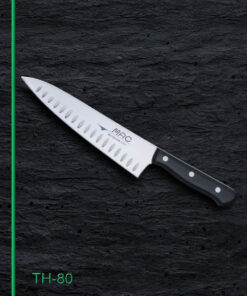
The right tools are essential. Japanese knives, known for their sharpness and precision, are perfect for modern kitchens. A MAC chef’s knife handles vegetables effortlessly, while a sushi knife ensures clean, smooth cuts of raw fish. Proper maintenance is key: avoid dishwashers, sharpen on water stones, and store on magnetic strips or in wooden blocks to prevent edge damage.
Summary
Modern Japanese-inspired cuisine goes beyond sushi and ramen — it’s about creativity, balance, and innovation. By embracing Japanese seasonings, umami, and contemporary cooking methods, you can transform everyday dishes into refined culinary experiences. Whether you’re a beginner or a seasoned cook, experimenting with Japanese flavors is the perfect way to bring artistry and depth to your kitchen.
Other customers especially appreciate: