Secrets of Japanese Craftsmanship: How Knives Are Made in Sakai – The Capital of Blacksmithing
Japan is renowned for its exceptional blacksmithing craftsmanship, and the city of Sakai is its undisputed capital. For centuries, some of the world’s finest kitchen knives have been made here by masters who have perfected their craft over generations. Let’s uncover how these extraordinary tools are created and what makes knives from Sakai true masterpieces of precision and durability.
The Tradition of Blacksmithing in Sakai
Located in Osaka Prefecture, Sakai has a rich blacksmithing history dating back to the 16th century. The city became famous as a center for samurai sword production, and its craft flourished during the Edo period, when demand for high-quality blades grew rapidly. One key milestone was the introduction of Chinese forging techniques, which refined steel hardening and sharpening methods.
After the Meiji reforms and the gradual disappearance of the samurai class, Sakai’s blacksmiths redirected their skills toward crafting kitchen knives, which soon gained worldwide acclaim. During the Edo period, sword-forging techniques were perfected here, and after the samurai era ended, artisans began making tools for civilians — including wa-bocho, traditional Japanese kitchen knives. Their production evolved into an art form, preserved and practiced by today’s master craftsmen.
How Knives Are Made in Sakai
The knife-making process in Sakai is long and requires the expertise of several specialists. Depending on the knife type and the complexity of the techniques used, it can take anywhere from several days to several weeks. Each knife passes through the hands of multiple masters responsible for different production stages:
-
Forging the Blade – The Secret of Shaping Precision
The foundation is hizukuri, a traditional forging method in which blacksmiths form the blade from a single piece of steel, hardening it at high temperatures. Two main blade types are used:
-
Honyaki – made entirely from a single piece of steel, extremely sharp and durable, but requiring meticulous care.
-
Kasumi – composed of a hard carbon steel layer combined with a softer stainless-steel base, improving flexibility and ease of sharpening.
-
Grinding – Precision in Every Detail
After forging, the blade undergoes togishi (grinding) to achieve its perfect shape and a razor-thin cutting edge. Master sharpeners use various grades of Japanese whetstones — Arato (coarse), Nakato (medium), and Shiageto (fine) — to gradually smooth and refine the blade. This process gives Sakai knives their renowned sharpness and cutting longevity. -
Hand Sharpening – The Art of Perfection
Final sharpening is performed entirely by hand. This stage requires immense skill and precision to maintain the ideal angle, balancing edge sharpness with durability. Many Sakai masters can sharpen blades so finely that the edge is nearly microscopic. -
Handle Assembly – Comfort and Ergonomics
The final step is attaching the handle. Sakai craftsmen typically use wa handles — traditional wooden grips made from magnolia, hickory, or ebony. They are lightweight, well-balanced, and comfortable, enhancing control and usability.
Why Sakai Knives Are Exceptional
Sakai kitchen knives are considered among the best in the world for several reasons. Compared with knives from other regions, such as Seki or Tosa, Sakai knives retain a more traditional, hand-crafted approach.
-
Handcrafted production – every knife is made by an individual master, not by machines.
-
Premium steel – traditionally made from high-carbon steels such as tamahagane, Aogami (blue steel), and Shirogami (white steel), ensuring long-lasting sharpness.
-
Cutting precision – due to expert sharpening, Sakai knives deliver ultra-accurate cuts essential to Japanese cuisine.
-
Generational expertise – skills and techniques are passed down through generations of blacksmiths, guaranteeing exceptional craftsmanship.
Summary
Knives from Sakai are more than just kitchen tools — they are works of art that blend tradition with innovation. Modern advancements such as laser steel cutting, advanced heat treatment, and new alloy development enhance blade durability, while craftsmen still finish each knife by hand to preserve its individuality.
Thanks to handcrafting, superior materials, and meticulous attention to detail, Sakai knives are prized by professional chefs and home cooks alike. If you seek a knife that will last for years and deliver unparalleled precision, a Sakai-made knife is the perfect choice.
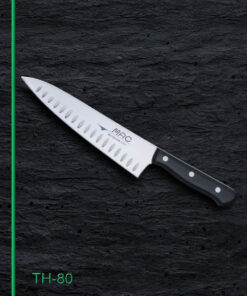
We recommend


Other customers especially appreciate: