


The History of Japanese Kitchen Knives: From Traditional Katana Swords to Modern Culinary Tools
The Tradition of Japanese Blacksmithing
Japanese blacksmithing has a centuries-old history dating back to the feudal era. The famous samurai swords, such as the katana, symbolized precision, durability, and honor. The forging techniques used to create them have survived and evolved, leading to the development of modern Japanese kitchen knives — still considered among the finest in the world.
From Samurai Swords to Kitchen Knives
After the fall of the samurai class in the 19th century, master swordsmiths had to adapt their skills to new realities. Many began crafting kitchen knives, while others turned to making farming tools, scissors, and even surgical instruments. In cities like Sakai and Seki, craftsmen used their experience in steelworking to produce high-quality blades that gained international recognition. This was when the art of sword forging evolved into the creation of wa-bocho — traditional Japanese kitchen knives known for their sharpness and durability. Modern knives such as gyuto (the Japanese equivalent of a chef’s knife) and santoku (a versatile all-purpose knife) stem from this tradition and continue to use techniques perfected during the samurai era.
The Secret of Perfection – Precision and Materials
Japanese knives are crafted from special types of steel, such as tamahagane (once used for samurai swords), and from high-quality modern alloys. There are two main types of knife construction:
-
Honyaki – made from a single piece of steel, extremely sharp and durable, but requiring advanced maintenance.
-
Kasumi – composed of layers of hard and soft steel, easier to sharpen and more flexible.
These methods give Japanese knives exceptional precision, making them ideal tools for both professional chefs and passionate home cooks. Renowned chefs such as Masaharu Morimoto, Nobu Matsuhisa, and Jiro Ono praise their unmatched sharpness and cutting accuracy. Many agree that a well-chosen knife is a key element in the kitchen, influencing both the quality and presentation of dishes.
Popular Types of Japanese Kitchen Knives
Modern Japanese kitchen knives come in various forms suited to specific tasks:
-
Gyuto – a versatile chef’s knife for cutting meat, vegetables, and fish.
-
Santoku – a general-purpose knife with a slightly shorter blade, perfect for slicing, chopping, and dicing.
-
Yanagiba – a long, thin knife for sushi and sashimi.
-
Deba – a heavy knife for filleting fish and cutting through bones.
-
Higonokami – a traditional Japanese folding knife with roots in ancient craftsmanship.
The Most Famous Japanese Knife Artisans
In Japan, the art of knife forging is passed down from generation to generation. Modern craftsmen, especially in Sakai and Seki, continue this tradition by learning from masters and combining classical methods with modern metalworking techniques. Young smiths increasingly introduce innovations such as new steel alloys and more ergonomic designs.
Some of the most notable contributors to this craft include:
-
Kaneshige Yoshisada (17th century, Sakai) – one of the first to craft kitchen knives inspired by samurai swords, beginning the wa-bocho tradition.
-
Fujiwara Kiyomitsu (18th century, Edo) – improved steel lamination techniques, creating more flexible and resilient blades.
-
Hattori Masahiro (20th century, Seki) – a pioneer who combined traditional methods with modern materials and popularized VG-10 steel.
-
Togashi Kenji (b. 1941, Sakai) – a master of honyaki knives known for their extreme sharpness and longevity.
-
Shosui Takeda (b. 1957, Okayama) – famous for crafting blades from Aogami Super steel, blending tradition and innovation.
-
Yoshikazu Ikeda (b. 1955, Sakai) – specializes in kasumi knives with perfect balance and ease of sharpening.
-
Komin Yamada (b. 1947, Seki) – creator of MAC knives, renowned worldwide for their precision, durability, and ergonomic design tailored for professionals.
Why Japanese Knives Are Considered Masterpieces
Hand-forged Japanese kitchen knives are synonymous with superior quality. Their unique construction allows for ultra-thin and precise cuts, enhancing both efficiency and artistry in cooking. With outstanding edge retention and balance, they represent a fusion of centuries-old tradition and modern innovation.
Types of Steel Used in Japanese Knives
Each Japanese knife is the result of carefully selected steel that determines its sharpness, durability, and ease of sharpening.
-
Carbon steels (e.g., Shirogami) offer exceptional sharpness but require regular maintenance.
-
Stainless steels (e.g., VG-10) provide lasting sharpness with minimal upkeep, ideal for home use.
-
Laminated steels combine the benefits of different alloys — rust resistance with a razor-sharp edge.
Traditional steels like tamahagane are prized for purity and strength, while modern alloys such as VG-10, Aogami (blue steel), and Shirogami (white steel) ensure long-lasting performance and easy sharpening. The right steel choice tailors the knife to the chef’s personal needs.
Summary
The evolution of Japanese kitchen knives tells a captivating story that links the heritage of samurai sword-making with modern craftsmanship. Advances in materials and technology continue to drive innovation — from corrosion-resistant steels to ergonomic handles and even nanotechnology-based coatings for enhanced sharpness and longevity. Japanese precision and innovation go hand in hand, creating knives suited for both professionals and enthusiasts. Anyone who holds a hand-forged Japanese knife can feel its extraordinary quality and craftsmanship. For those seeking a tool that elevates their cooking, MAC knives embody precision, durability, and tradition.
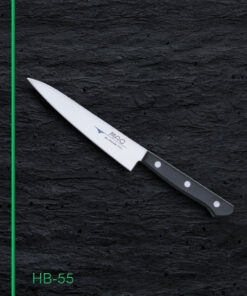
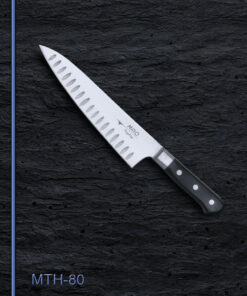
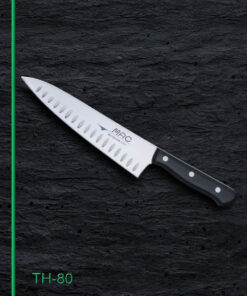
Other customers especially appreciate:
-
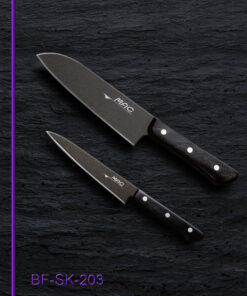 BF-SK-203
Rated 5.00 out of 5
BF-SK-203
Rated 5.00 out of 5700.00 złOriginal price was: 700.00 zł.449.00 złCurrent price is: 449.00 zł. brutto -
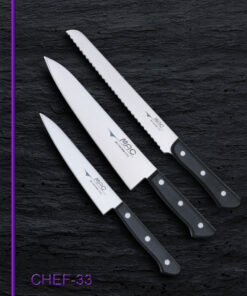 CHEF-33
Rated 5.00 out of 5
CHEF-33
Rated 5.00 out of 5980.00 złOriginal price was: 980.00 zł.829.00 złCurrent price is: 829.00 zł. brutto -
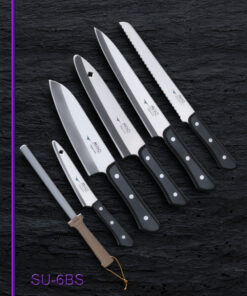 SU-6BS
Rated 5.00 out of 5
SU-6BS
Rated 5.00 out of 52,100.00 złOriginal price was: 2,100.00 zł.1,699.00 złCurrent price is: 1,699.00 zł. brutto
