Skip to content
Japanese craftsmanship for the kitchen of tomorrow
Reliable Japanese quality
Enjoy cooking!
Feel the sharpness!
It's time, get started
znaki mac222

FREE DELIVERY from 350 PLN

* does not apply to cash on delivery shipments

Blog

MAC Knife Care – 5 Key Rules to Extend Their Lifespan

MAC Kitchen Knife Care – 5 Key Rules to Extend Their Lifespan

MAC knives are among the finest kitchen tools, but to serve for many years, they require proper care. Correct cleaning, maintenance, and storage are essential to preserve their sharpness and functionality. Below are five key principles to help keep your MAC knives in top condition.


1. Cleaning MAC Knives – How to Do It Properly

Never wash MAC knives in a dishwasher — high heat and strong detergents can cause corrosion, weaken the steel, and damage the handle. Always wash them by hand using warm water, mild detergent, and a soft sponge. After washing, dry the knife thoroughly to prevent rust and moisture damage.


2. Proper Storage – How to Avoid Damage

Improper storage can dull or damage the blades. The best methods are knife blocks, magnetic strips, or protective sheaths. These minimize contact between the blade and hard surfaces, reducing the risk of micro-damage and keeping your knives sharp for longer.


3. Sharpening MAC Knives – Keeping the Perfect Edge

Regular sharpening is essential. Use ceramic or Japanese water stones and maintain a consistent 15° angle. Start with a coarse grit for reshaping and finish with a fine grit for polishing. Avoid diamond or metal sharpeners, as they can overheat the steel and weaken it. For detailed sharpening instructions, visit the official “How to Sharpen MAC Knives” guide.


4. Protecting MAC Knives from Rust and Mechanical Damage

Although MAC steel is high-grade, it isn’t completely rustproof. To prevent corrosion, avoid prolonged contact with water and humidity. Dry knives immediately after washing and store them in a dry place. Also, never cut on glass or metal surfaces — they can chip or dull the edge.


5. Home Maintenance and Cleaning Tips

If rust spots appear, use a simple paste made of baking soda and water, gently rubbing with a soft cloth until the marks disappear. Regular cleaning and drying after every use will prevent corrosion and keep the blades looking new.


Summary

Proper care is the key to the long life of MAC knives. Hand washing, correct storage, regular sharpening, and protection from moisture will ensure your blades remain razor-sharp and durable for years. By following these simple steps, you’ll preserve both the performance and beauty of your MAC knives.

The Best Ways to Store Knives – How to Protect the Blades and Keep Them Sharp

The Best Ways to Store Knives – How to Protect the Blades and Keep Them Sharp

Properly stored kitchen knives not only stay sharp longer but are also safer for everyday use. Choosing the right storage method is crucial for both the durability of your knives and your comfort while cooking. Here are the most effective ways to store knives and prevent damage.


1. Knife Block – Classic and Convenient

Knife blocks are one of the most common kitchen storage options. They keep knives easily accessible and protect the blades from damage. The best blocks are made from wood or soft composite materials that won’t dull the edge. However, they should be cleaned regularly to prevent moisture buildup and bacteria growth inside.


2. Magnetic Strip – Stylish and Practical

A magnetic knife strip is a modern, space-saving solution. Mounted on the wall, it provides quick access to knives while keeping them safely separated. High-quality magnetic strips hold knives securely without scratching the surface, making them ideal for modern, minimalist kitchens.


3. Wooden Sheath – Mobile Protection

Wooden knife sheaths are perfect for chefs who travel or store knives outside the kitchen. They protect blades from dulling and prevent accidental cuts. This is a great choice for professional chefs and cooking enthusiasts who value both safety and portability.


4. Knife Bag – Best for Transport

Knife bags are designed with individual compartments to protect each blade during transport. One recommended model is the KR-108 knife bag, made from durable, high-quality materials. It features multiple pockets, a secure zipper, and strong stitching, ensuring both protection and organization. It’s a practical option for both professional chefs and home cooks who travel with their knives.


5. Storing Knives in a Drawer – Is It Safe?

Keeping knives loose in a drawer is one of the worst habits — blades rub against other utensils, dulling and damaging them. If you must store knives in a drawer, use knife organizers or magnetic inserts to keep them separated and secure.


6. Extra Tips to Prevent Dulling

To keep your knives sharp for years:

  • Use wooden or plastic cutting boards instead of glass or metal.

  • Never leave knives in the sink or damp environments.

  • Avoid dishwashers — heat and detergents damage the steel.

  • Sharpen knives regularly to maintain performance.


Summary

The best knife storage method depends on your space and needs. Whether it’s a knife block, magnetic strip, or sheath, each option helps protect the blade and extend its sharpness. Proper organization not only prolongs the life of your knives but also ensures comfort, efficiency, and safety in your kitchen.

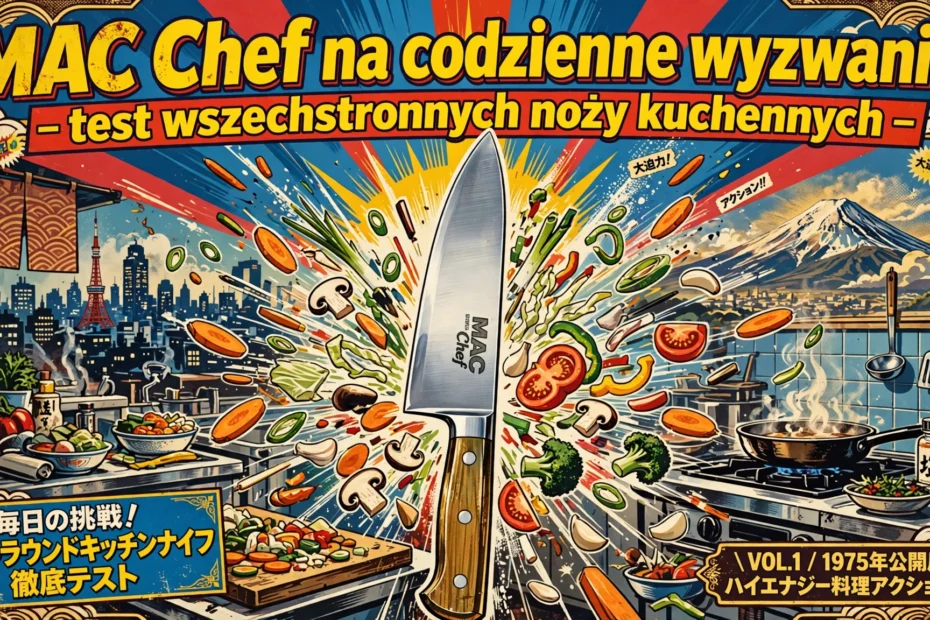
MAC Chef for Everyday Challenges – A Test of Versatile Kitchen Knives

MAC Chef for Everyday Challenges – A Test of Versatile Kitchen Knives

Kitchen knives are essential tools in every kitchen, and choosing the right model can significantly impact cooking comfort. Today, we take a closer look at the MAC Chef series — knives that have gained recognition among both professional chefs and home cooks. Let’s see what makes them exceptional and whether they’re truly worth choosing for everyday use.

Build Quality and Materials

MAC Chef knives stand out with their precise craftsmanship and high-quality AUS-8 stainless steel, ensuring excellent corrosion resistance and long-lasting sharpness. The use of Japanese hardening technology allows the edge to retain sharpness longer, reducing the need for frequent sharpening. Ergonomic handles provide a secure grip, translating into comfortable use.

Versatility in the Kitchen

The MAC Chef series is designed for a wide range of culinary tasks. These knives excel at slicing vegetables, meat, and fish, offering smooth, precise cuts. Their lightweight construction allows for prolonged use without straining the hand, making them ideal for daily cooking.

MAC Chef Knife Test – How Do They Perform in Practice?

During tests conducted by a culinary team in both home and professional settings, we focused on several key aspects — sharpness, comfort, and versatility.

  • Sharpness: MAC Chef knives easily handled soft tomatoes, tough carrots, and raw meat.

  • Comfort: The ergonomic handles prevent slipping and ensure steady control.

  • Versatility: From chef’s knives to smaller paring models, each performs reliably in everyday kitchen scenarios.

Comparison with Other Brands

Compared with competitors, MAC Chef knives offer an excellent price-to-quality ratio, standing up well against brands such as Global G-2, Zwilling Pro, or Shun Classic — all of which are more expensive but offer comparable performance. Their durability, comfort, and ease of sharpening make them strong contenders in their category.

Conclusion – Are MAC Chef Knives Worth It?

If you’re looking for versatile kitchen knives that deliver precision, durability, and comfort, the MAC Chef series is an excellent choice. They perform equally well in professional kitchens and at home. Thanks to their sharpness and solid craftsmanship, they’re indispensable tools for everyday cooking.

Test of MAC Superior Knives – Do They Really Outperform the Competition?

The MAC Superior series is one of the most popular choices among both professional chefs and home cooks. These knives combine cutting precision, top-tier craftsmanship, and exceptional comfort of use. But do they really outperform their competitors? The market is full of high-quality Japanese knives such as Global, Shun, and Miyabi that also promise sharpness and durability. We tested sharpness, balance, durability, and ergonomics to see how MAC Superior performs against both Japanese and European rivals.

Sharpness – cutting performance

Sharpness is the defining quality of any kitchen knife. MAC Superior blades are made from molybdenum-vanadium steel, providing excellent wear resistance and edge retention. In our tests, the MAC Superior chef’s knife sliced effortlessly through tomatoes, onions, raw meat, and fish with clean, precise cuts.
The thin 15° edge angle lets the blade glide through food without excessive pressure – an ideal balance between razor-sharp Japanese edges and the thicker 20–25° European bevels that need more force.

Balance and comfort

Every long cutting session shows how vital good balance is. MAC Superior knives are engineered with a perfectly centered balance point to reduce hand fatigue.
Their Pakkawood handles offer a secure, moisture-resistant grip – more comfortable and stable than the plastic handles often found on competing brands.

Durability and maintenance

The molybdenum-vanadium steel ensures high corrosion resistance and long-lasting sharpness. Compared with VG-10 or carbon steels, it’s easier to maintain and less prone to rust, making it ideal for users who want professional performance with minimal upkeep.
To prolong lifespan:

  • Avoid dishwashers – detergents and heat can dull or warp the edge.

  • Sharpen regularly on water stones (grit 1000–6000).

  • Store on a magnetic strip or wooden block to protect the edge.

Comparison with competitors

Feature MAC Superior Traditional Japanese Knives European Knives
Steel Molybdenum-Vanadium High-carbon VG-10 / Blue Steel Stainless (X50CrMoV15)
Edge angle 15° 12–15° 20–25°
Edge retention High Very high but maintenance-heavy Moderate
Ergonomics Pakkawood handle / balanced Wooden or composite Heavier / less precise
Maintenance Easy Demanding Simple but less sharp

MAC Superior hits the sweet spot between sharpness, durability, and ease of care. Unlike high-carbon blades, it resists rust and doesn’t require oiling; unlike many European knives, it cuts with surgical precision.

Price and value

Depending on blade length, MAC Superior chef’s knives cost roughly 400–700 PLN, with specialty models priced higher. Considering build quality and performance, they offer an excellent price-to-quality ratio for both enthusiasts and professionals.

Pros

  • Exceptional sharpness and precision

  • Comfortable ergonomic handle

  • Corrosion-resistant, low-maintenance steel

  • Well-balanced for fatigue-free cutting

  • Eligible for free sharpening service

Cons

  • Requires water-stone sharpening

  • Not dishwasher-safe

Summary

MAC Superior knives prove themselves a standout choice for both home cooks and professionals. Their edge retention, ergonomics, and build quality easily rival or surpass many competing models. If you value precision, balance, and reliability in the kitchen, the MAC Superior line is absolutely worth the investment.

Japanese Flavors in a Modern Twist – Creative Ways to Elevate Your Home Cooking

Japanese Flavors in a Modern Edition – Creative Ways to Elevate Everyday Dishes

Japanese cuisine has long captivated food lovers with its harmony of flavors, skillful ingredient pairing, and attention to visual presentation. Its influence can be found worldwide — from modern sushi interpretations in fusion restaurants to the widespread use of umami in Western cooking. Traditional Japanese culinary techniques inspire chefs around the globe, creating unique combinations of taste and texture. These techniques can also inspire home cooks to bring new flavors and preparation methods into their own kitchens. By incorporating Japanese seasonings, ingredients, and cooking styles, you can create contemporary dishes full of umami that delight both fans of classic flavors and culinary creativity.

The Secret of Umami – The Foundation of Japanese Flavor in Modern Cooking

Japanese cuisine is renowned for umami — the “fifth taste” that adds depth and richness to dishes. To introduce umami into your daily cooking, try using ingredients such as miso, kombu, bonito flakes, or shoyu (Japanese soy sauce). These can be used to make homemade dashi, a flavorful broth that enhances soups, sauces, and marinades.

A modern twist on umami is adding miso paste to vegetable soups or salad dressings. For instance, a salad with roasted sweet potato, kale, and toasted sesame gains remarkable complexity when paired with a miso-based dressing — blending sweet-salty notes with mild umami and gentle acidity. Likewise, kombu and bonito can elevate the flavor of traditional sauces like béchamel or vegetable broth, lending them extra depth.

Modern Fusion – When East Meets West

Combining Japanese ingredients and methods with Western cuisine opens endless creative possibilities. Try these ideas:

  • Miso carbonara – substitute white miso for pecorino to enhance the umami.

  • Matcha tiramisu – infuse the Italian classic with matcha for a touch of bitterness and freshness.

  • Tempeh burger with yuzu mayo – marinate tempeh in soy sauce and ginger, and serve with a yuzu-infused mayonnaise for a vibrant citrus note.

  • Fusion ramen – add coconut milk, roasted pumpkin, or grilled shrimp for a new twist on the classic.

Japanese Spices – How to Use Them Every Day

Japanese seasonings can enrich many everyday dishes:

  • Shichimi togarashi – a seven-spice chili mix perfect for soups, meats, and noodles.

  • Yuzu kosho – a citrus-chili paste that pairs beautifully with grilled vegetables and seafood.

  • Goma (toasted sesame) – adds aroma and crunch to rice, salads, and roasted vegetables.

Japanese Techniques in Modern Kitchens

Japanese cooking emphasizes precision and respect for ingredients. Examples include sashimi, where thin slices of raw fish must be cut cleanly and evenly to preserve texture and flavor. Here are some techniques worth trying:

  • Tataki – lightly seared meat or fish marinated in soy sauce and ginger.

  • Konro grilling – grilling over binchotan charcoal for a unique smoky aroma.

  • Sous-vide with Japanese flavors – long, low-temperature cooking enhanced with miso or mirin for a deep, subtle taste.

Japanese Knives – Precision at Its Finest

The right tools are essential. Japanese knives, known for their sharpness and precision, are perfect for modern kitchens. A MAC chef’s knife handles vegetables effortlessly, while a sushi knife ensures clean, smooth cuts of raw fish. Proper maintenance is key: avoid dishwashers, sharpen on water stones, and store on magnetic strips or in wooden blocks to prevent edge damage.

Summary

Modern Japanese-inspired cuisine goes beyond sushi and ramen — it’s about creativity, balance, and innovation. By embracing Japanese seasonings, umami, and contemporary cooking methods, you can transform everyday dishes into refined culinary experiences. Whether you’re a beginner or a seasoned cook, experimenting with Japanese flavors is the perfect way to bring artistry and depth to your kitchen.

Comparison of MAC Knife Series – Find the Perfect Model for You

MAC knives are a symbol of Japanese precision, exceptional quality, and perfect ergonomics. Founded in 1964 in Japan, the MAC brand has earned worldwide recognition for its innovative designs and superior blade performance — trusted by professional chefs and home cooking enthusiasts alike. The manufacturer offers multiple knife series that differ in construction, purpose, and blade characteristics. Whether you’re a professional chef or a passionate home cook, choosing the right knife is essential for comfort and cutting precision. Below is a detailed comparison of all MAC knife series to help you find the perfect model for your needs.


MAC Series Comparison

Series Steel Type Ergonomics Best Use Intended For
Ultimate Premium stainless steel Anti-slip handle Precision cuts, high durability Professional kitchens, intensive use
Professional High-carbon molybdenum-vanadium steel Traditional Japanese handle Versatility, longevity Professional chefs & advanced users
Chef Stainless steel Classic, well-balanced handle Everyday cooking, ease of use Home cooks & beginners
Superior Molybdenum-vanadium steel Ergonomic handle Light, precise vegetable cuts Home kitchens, comfort-focused users
Nashiji High-carbon steel with “pear-skin” texture Traditional Japanese handle Aesthetic, detailed cutting Japanese craftsmanship lovers & pros
Original Stainless steel Classic handle Universal slicing, control Home cooks favoring traditional feel
Japanese Ultra-sharp stainless steel Traditional handle Sushi, sashimi, delicate foods Japanese cuisine professionals
Black Teflon-coated stainless steel Classic handle Reduced friction, easy maintenance Professionals seeking low-upkeep tools
Kid’s Stainless steel Safe handle design Learning to cut safely Children under adult supervision
TO Stainless steel Traditional handle Multi-purpose slicing, Gyuto alternative Professionals requiring precision
HO High-carbon steel Classic design Heavy-duty, long-lasting performance Traditional chefs
SE Stainless steel Specialized handle Delicate culinary tasks Precision or specialty use

Which MAC Series Should You Choose?

Small Kitchens – If space is limited, go for versatile knives like the Chef, Superior, or Original series.
The Original line stands out for its rounded tip and ergonomic construction, prioritizing user safety and stability — a perfect choice for home cooks who value control and comfort.

Professional Kitchens / Restaurants
Chefs working in busy environments will appreciate the Ultimate, Professional, or Original series for their durability and cutting precision.
The Original series, with its rounded tip and ergonomic grip, also minimizes injury risk and enhances control when multiple cooks share the same tools.

Japanese Cuisine
For sushi and sashimi, the Japanese series is ideal. For more traditional Japanese cutting techniques, consider the TO, HO, or SE lines.

Easy Maintenance
If you want knives that require minimal upkeep and resist sticking, choose the Black series with its non-stick Teflon coating.

For Kids
The MAC Kid’s knife is perfect for young learners taking their first steps in cooking under supervision.


Summary

No matter which series you choose, MAC knives guarantee precision, durability, and reliability. Each collection combines craftsmanship with innovation, ensuring an effortless and enjoyable cooking experience.
Select the right MAC series for your kitchen — and enjoy the mastery of Japanese knife-making in every cut.

5 Key Features of a Good Kitchen Knife – What to Look for When Buying

Choosing a good kitchen knife is a crucial decision for both professional chefs and home cooking enthusiasts. A knife is the most important tool in the kitchen, so it’s worth paying attention to a few essential features that affect comfort, precision, and durability. Here are the five key features of a quality kitchen knife that will help you make the right choice.


1. Blade Material – Stainless Steel, High-Carbon, or Ceramic?

The material of the blade determines its durability, sharpness, and resistance to corrosion.

  • Stainless steel – popular and easy to maintain, resistant to rust but requires regular sharpening.

  • High-carbon steel – extremely sharp and durable but more prone to corrosion, requiring proper care.

  • Ceramic knives – lightweight and razor-sharp, though brittle and less impact-resistant.

  • Damascus steel – the term refers to modern recreations of ancient layered steel forging methods. While true historical Damascus steel no longer exists, contemporary “Damascus” knives feature multiple layers of forged steel, creating a distinctive wavy pattern and excellent cutting performance.


2. Knife Ergonomics – How to Fit It to Your Hand

The handle should be comfortable, well-balanced, and provide a secure grip. Good ergonomics enhance safety and reduce hand fatigue during prolonged use.

  • Wooden handles – natural and pleasant to hold but require careful maintenance.

  • Synthetic handles – moisture-resistant and easy to clean, though sometimes less comfortable.

  • Metal handles – sleek and durable, but can be slippery when wet.

A well-chosen knife should fit your hand comfortably without causing strain or discomfort, even after long periods of use.


3. Balance – Why It Matters

Balance refers to the even distribution of weight between the blade and handle. A well-balanced knife allows better control and reduces wrist strain.

  • Heavier blades – best for cutting tougher ingredients like meat or squash.

  • Balanced handles – ideal for precise chopping of herbs and vegetables.
    Cheap knives often lack balance, making them harder to control and tiring to use.

How to test balance before buying:

  • Finger test – place the knife horizontally on your index finger at the junction of the handle and blade. If it balances evenly, it’s well-designed.

  • Grip test – simulate cutting motions; if the knife feels off-balance, it may cause fatigue.

  • Compare models – try knives of similar length to notice balance differences.


4. Sharpness and Edge Retention – The Difference Between Cheap and Professional Knives

A good knife should retain sharpness for a long time. The durability of an edge depends on both the steel quality and sharpening angle.

  • European knives – sharpened at about 20°, offering durability.

  • Japanese knives – like Santoku or Gyuto, are sharpened at 12–15°, delivering superior precision.

  • Professional knives – are heat-treated (hardened), increasing edge longevity.


5. Ease of Sharpening – Which Sharpeners Are Best?

Even the best knives need regular sharpening. The right tools maintain cutting performance and extend lifespan.

  • Whetstones (water stones) – the best method for professionals, offering precision and control.

  • Honing rods (steels) – maintain the edge between full sharpenings.

  • Manual or electric sharpeners – quick and convenient, though less precise than stones.

Regular sharpening keeps your knife safe, sharp, and efficient.


Summary

A quality kitchen knife is a long-term investment. Before buying, consider these five aspects:

  • Blade material – stainless, high-carbon, or ceramic?

  • Ergonomics – does it fit your hand comfortably?

  • Balance – is the weight evenly distributed?

  • Sharpness – how long does it stay sharp?

  • Sharpening – what tools will you use?


Recommended Knives: MAC

If you’re looking for knives that meet all these criteria, MAC knives are an excellent choice. They combine high-grade steel, superior ergonomics, and lasting sharpness. Trusted by professional chefs, MAC knives deliver cutting precision and comfort — perfect for both home and professional kitchens.

How to Choose the Perfect Kitchen Knife? A Guide for Beginners and Advanced Users

Choosing the perfect kitchen knife is a key decision for both home cooks and professionals. The right knife not only makes cooking easier but also ensures comfort and safety while cutting. The market offers many types of kitchen knives differing in shape, blade material, and intended use. So how do you choose the best kitchen knife for your needs? Here’s a comprehensive guide.

Types of Kitchen Knives and Their Uses

  1. Chef’s Knife – The most versatile knife, used for most kitchen tasks such as slicing vegetables, meat, fish, and chopping herbs. Perfect for the “rock chop” technique, which allows fast and precise cutting.

  2. Santoku Knife – The Japanese equivalent of the chef’s knife, featuring a wide blade and a triple-edge grind for precise slicing. Ideal for vegetables and “push-cut” techniques.

  3. Bread Knife (Pankiri) – Serrated edge for cutting bread without crushing it. Works well with both soft and crusty loaves.

  4. Filleting Knife – Long, flexible blade designed for filleting fish and separating skin from flesh.

  5. Nakiri Knife – Flat, rectangular blade ideal for chopping vegetables with “push cut” or “tap chop” techniques.

Which Kitchen Knife Should You Choose?
The blade material plays a major role in sharpness, durability, and maintenance:

  • Stainless steel – popular, corrosion-resistant, and easy to care for but requires regular sharpening.

  • High-carbon steel – extremely sharp and durable but prone to rust; needs regular maintenance.

  • Damascus steel – combines hardness and flexibility with a unique layered pattern.

  • VG-10 steel – premium Japanese stainless steel, very hard and rust-resistant.

  • AUS-8 steel – balanced option offering good sharpness and corrosion resistance.

  • Ceramic knives – ultra-sharp and lightweight but fragile; perfect for fruits and vegetables.

Ergonomics
A good knife should feel stable, with a balanced, non-slip handle that fits the hand comfortably. The grip should allow precise, fatigue-free control even during long sessions.

Knife Care Tips

  • Do not wash in a dishwasher – detergents and heat damage the edge.

  • Store knives in a block or on a magnetic strip to prevent dulling.

  • Sharpen regularly – ideally with a whetstone or professional sharpener.

  • Avoid cutting on glass or stone surfaces.

Sharpening Techniques and Tools

  • Whetstones – provide the best precision; typical grits: 1000 for sharpening, 6000 for polishing.

  • Honing rods – maintain sharpness between sharpenings.

  • Manual or electric sharpeners – convenient but less precise.

Best Knives for Beginners and Professionals
Beginners should start with a 20 cm chef’s knife as it’s the most versatile.
Professionals can expand with Santoku, Nakiri, filleting, and bread knives for more specific tasks.

Checklist for Choosing the Right Knife
✔ Knife type – universal or specialized?
✔ Blade material – stainless, high-carbon, VG-10, or ceramic?
✔ Ergonomics – comfortable and non-slip handle?
✔ Sharpness and maintenance – how often does it need sharpening?
✔ Purpose – what tasks will it be used for most often?
✔ Brand and quality – reputable brands like MAC, Global, or Wüsthof ensure reliability.

By following these guidelines, you’ll make a smart and lasting investment. A well-chosen kitchen knife is not just a tool—it’s the foundation of enjoyable, precise, and safe cooking for years to come.

Japanese Fast Food – A Culinary Journey from Hokkaido to Okinawa

Japan is famous for its refined cuisine, but just as important are its quick, street-style dishes found everywhere. Japanese fast food is not limited to ramen or tempura – across the country, countless regional specialties enjoy immense popularity. From the snowy north to the tropical south, every city and prefecture has its own unique flavors. Let’s explore Japan’s most beloved fast-food dishes, discovering their origins and distinctive characteristics.

Hokkaido – The Land of Rich Flavors
Japan’s northernmost island, Hokkaido, is known for its cold climate and long winters. Local cuisine focuses on hearty, warming meals and fresh seafood. Dishes like Soup Curry and Jingisukan reflect both the region’s pastoral heritage and its rich natural resources.

  • Soup Curry – a spicy curry soup with vegetables and meat, created in Sapporo in the 1970s as a fusion of Japanese and South Asian flavors.

  • Jingisukan (Genghis Khan) – grilled lamb served on special domed grills, inspired by the region’s sheep-farming history.

Tohoku – Northern Comfort Food
This region of northern Honshu features a cold climate, influencing its cuisine of hearty and warming meals.

  • Gyutan-yaki – grilled beef tongue, a Sendai specialty born after WWII.

  • Kiritanpo – grilled cylinders of sticky rice, often served in soups in Akita Prefecture.

Kanto – Tokyo and Its Urban Flavors
Tokyo’s bustling food scene has its roots in the Edo period, when fast, portable meals catered to the city’s busy lifestyle. Modern Tokyo continues this legacy with countless quick, flavorful dishes.

  • Monjayaki – a runnier version of okonomiyaki cooked on a griddle, especially popular in Tsukishima.

  • Tsukemen – ramen noodles served separately with a rich dipping sauce.

  • Yakisoba-pan – a soft bun filled with fried noodles, found in Tokyo bakeries and convenience stores.

Chubu – From Nagoya to the Japanese Alps
A region rich in culinary contrasts, combining mountain and coastal influences.

  • Misokatsu – pork cutlet covered with thick miso sauce, a Nagoya classic.

  • Houtou – thick, chewy noodles in a miso-based broth from Yamanashi Prefecture.

  • Ebi Senbei – crispy shrimp crackers typical of Aichi.

Kansai – The Culinary Heart of Japan
Home to Osaka, Kyoto, and Kobe, Kansai is Japan’s gastronomic center. Osaka, known as “Japan’s kitchen,” is famous for its vibrant street food culture.

  • Takoyaki – octopus-filled batter balls topped with sauce and bonito flakes.

  • Okonomiyaki – a savory pancake with cabbage, pork, and other toppings; Hiroshima offers a layered version known as Hiroshima-yaki.

  • Kushikatsu – skewered and deep-fried meat, seafood, or vegetables, enjoyed with tonkatsu sauce.

Chugoku – Western Japan’s Hidden Gems

  • Hiroshima-yaki – Hiroshima-style layered okonomiyaki.

  • Barazushi – colorful scattered sushi from Okayama, often made for celebrations.

Shikoku – The Island of Udon
Japan’s smallest main island is known for its simplicity and seafood-based flavors.

  • Sanuki Udon – thick, springy noodles from Kagawa Prefecture, considered Japan’s best.

  • Jakoten – deep-fried fish cakes from Ehime.

Kyushu – Bold and Rich Flavors
Kyushu’s cuisine reflects strong Chinese and Korean influences, favoring rich broths and fermented ingredients.

  • Hakata Ramen – creamy tonkotsu (pork bone) ramen from Fukuoka.

  • Motsunabe – hot pot made with beef or pork offal.

  • Karakamen – spicy ramen from Kumamoto.

Okinawa – Fusion and Longevity
Distinct from mainland Japan, Okinawan cuisine blends Japanese, Chinese, and American elements.

  • Taco Rice – rice topped with ground meat, lettuce, and cheese, inspired by American tacos.

  • Rafute – sweet soy-braised pork belly, a local delicacy.

  • Sata Andagi – crisp Okinawan doughnuts, golden outside and fluffy inside.

Conclusion
Japanese fast food is much more than ramen, tempura, or onigiri. Each region offers its own quick dishes shaped by local history, climate, and ingredients. Unlike Western fast food focused on mass production, Japan’s street food maintains deep ties to tradition and craftsmanship. From the bold flavors of Hokkaido to Osaka’s sizzling griddles and Okinawa’s island fusion – Japan’s fast food culture is a culinary journey through centuries of flavor and innovation.

Mukimono – The Art of Fruit and Vegetable Carving That Will Impress Your Guests

Japanese cuisine has long combined taste, aesthetics, and precision. One of its most striking elements is Mukimono – the art of decorative fruit and vegetable carving. Originating in Japan, it has also gained popularity across Asia, particularly in China and Thailand, where similar carving traditions are deeply rooted. Today, Mukimono inspires chefs around the world, especially in Europe and the U.S., where it adds an artistic flair to fine dining and modern fusion cuisine.

What Is Mukimono?

Mukimono is the Japanese art of carving fruits and vegetables, practiced both in home kitchens and top restaurants. It dates back to the Edo period, when chefs began decorating food to enhance its visual appeal. The technique requires precision, creativity, and specialized knives designed for intricate cuts.

Traditional Japanese Decoration Techniques

Common Mukimono methods include:

  • Thin slicing – for creating flowers from carrots, radishes, or cucumbers.

  • Intricate carving – crafting maple leaves, fans, or wave patterns on fruits and vegetables.

  • Spiral cutting – producing elegant, flowing decorations.

  • Sashimi garnishing – arranging vegetables artistically alongside fish.

These decorations not only beautify a dish but also elevate the overall dining experience.

How to Practice Mukimono

To begin, start with simple designs and gradually progress to complex ones. Try carving flowers from carrots or radishes, cucumber spirals, or apple fans. As you gain confidence, move to detailed motifs like maple leaves or plant-inspired patterns.

Steps to get started:

  1. Choose the right produce – carrots, radishes, cucumbers, apples, and mangoes work best.

  2. Use proper tools – specialized knives such as Mukimono, Usuba, or Nakiri ensure precision.

  3. Master the basics – practice smooth, controlled movements.

  4. Balance beauty with function – decorations should enhance, not hinder, the dining experience.

Essential Knives for Mukimono

The right tools are essential. Among the most commonly used are:

  • Mukimono knife – designed for intricate details, often made of high-carbon steels like Aogami or Shirogami.

  • Usuba – for ultra-thin, even slices, favored by professional chefs.

  • Nakiri – for rapid vegetable preparation and shaping.

High-quality knives from makers like Masamoto, Shun, or Sakai Takayuki are prized for their balance, sharpness, and craftsmanship.

Mukimono in Japanese Culinary Tradition

Mukimono has deep symbolic meaning. In Japan, beautiful food presentation expresses respect for guests and appreciation for nature’s harmony. In kaiseki cuisine – Japan’s refined multi-course dining – Mukimono plays a vital role in creating seasonal and balanced compositions. Precision carving reflects the Japanese philosophy of minimalism: every cut matters.

Conclusion

Mukimono transforms simple ingredients into works of art. Legendary restaurants like Kitcho in Kyoto elevate this craft to perfection, while chefs such as Masaharu Morimoto blend traditional Japanese artistry with modern presentation. With practice and the right tools, anyone can learn this elegant art form and impress family or guests with stunning edible creations. Start small, stay patient, and watch your kitchen turn into an atelier of culinary beauty.

Jeśli potrzebujesz pomocy przy wyborze noży, pomożemy Ci

Podaj swoje imię i nazwisko, numer telefonu oraz godziny w jakich możemy skontaktować się z Tobą.

Oddzwaniamy tylko pod numery telefonu z polskim numerem kierunkowym +48.